May 18

1857 – The cargo of the bark Philah, wrecked at the Dry Tortugas, was sold at Key West. Bales of cotton averaged $50 each, and seven hogshead barrels of tobacco brought $1,300, for a total of $5,371.
1926 – Monroe County Sheriff Roland Curry, who had been injured two days before when he was caught between a capsized boat and the rocks on the shore of the Bahama Islands, died at his residence in the jail building.
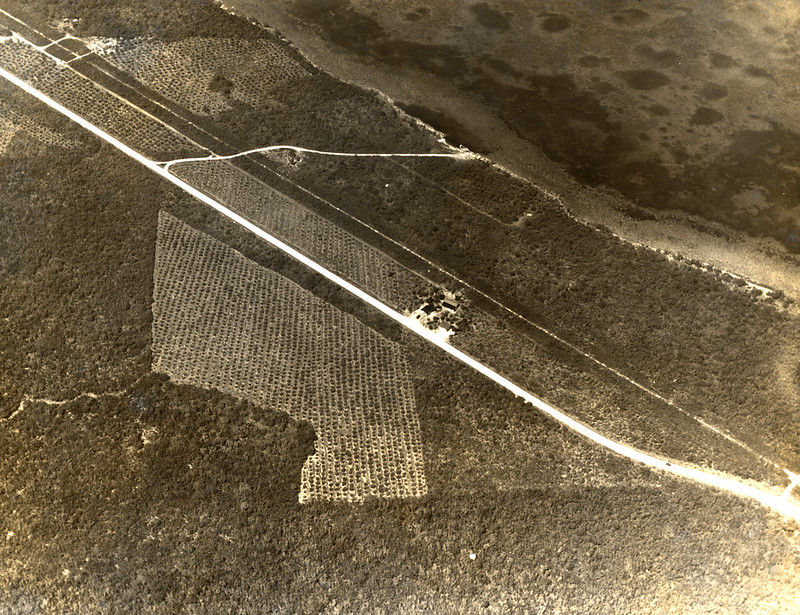
1937 – One hundred and sixty-seven residents living between Card Sound and the Matecumbe Keys petitioned the Monroe County Commission for protection against trespassers and vagrants who were frequenting the lime groves and other areas of the Upper Keys.
1955 – The Navy announced plans to build 83 housing units at the end of United Street on the Key West Naval Station. The land had been leased to Monroe County and was being used as Ocean View Park, a segregated beach for African American residents.
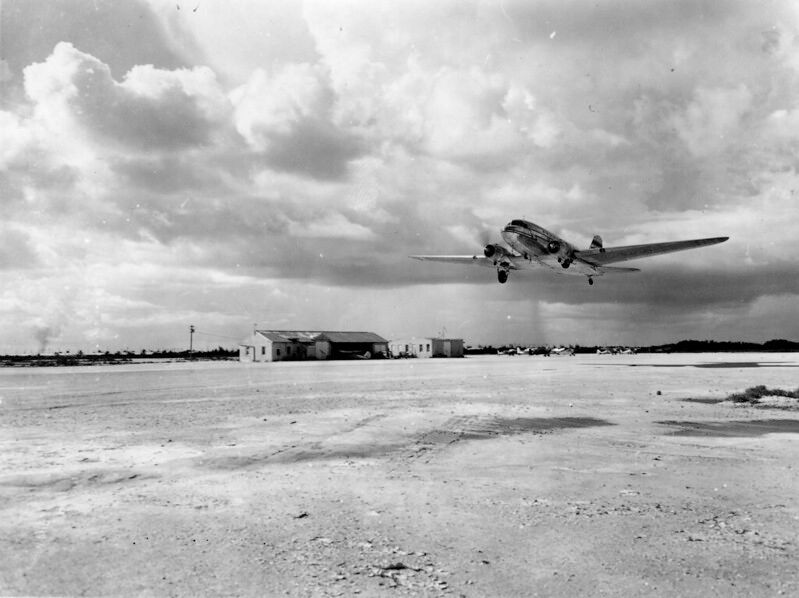
1956 – The first pilots of the 7th All-Women’s International Air Race began arriving in Marathon. There were 44 women in 27 airplanes competing for the fastest time in a flight from Canada to Cuba, and Marathon was their last mandatory stop in the U.S. before crossing to Varadero.
1975 – The Florida Keys Community College gave the School Board 8.5 acres of land on Stock Island to be used to build Gerald Adams Elementary School.
1986 – Key West Mayor Tom Sawyer announced the city planned to dredge and restore the Riviera Canal “back to its original condition and purpose” to help restore tidal flow in the Salt Ponds and lowland areas.
1991 – Queen Elizabeth II of England visited the Fort Jefferson National Monument at the Dry Tortugas where she was welcomed by Monroe County Mayor Wilhelmina Harvey.
Information compiled by Dr. Corey Malcom, Lead Historian, Monroe County Public Library, Florida Keys History Center.
Image: An Upper Keys farm along the highway, ca. 1930. Monroe County Public Library, Florida Keys History Center.