

Wondering Which 'Wuthering Heights' Films Are Worth Watching?


As a new adaptation of the novel is released, we have a special edition of Reel Recs, reviewing five previous versions, all of them currently (as of this writing) available on Kanopy, the Library's streaming app:
What: Wuthering Heights (1939, 1970, 1992, 2009, 2011)
Why: With Emerald Fennell’s hotly debated adaptation of Emily Brontë’s classic novel on big screens, it’s fun to see the various other cinematic translations that preceded it. Each one interestingly acts as a time capsule for how a certain era viewed this enduring text.
1939

By far the most famous of these is the 1939 Best Picture winner directed by William Wyler and starring Laurence Olivier and Merle Oberon. This one softens the petty and vindictive personalities of the novel while still recognizably following the first half (few adaptations get into the second half which focuses on the children of the leads. We’ll note which ones do). Producer Samuel Goldwyn fought with Wyler, and eventually won, over making the production glossy and glamorous rather than gritty and dirty. In a year that’s widely considered to be the greatest in film history, it makes sense for this version to be as grandiose and sanitized as it is, and that ironically makes for perhaps the most cinematically satisfying telling due to its warmth.
1970

If you want something starker and more direct, the 1970 version with Timothy Dalton and Anna Calder-Marshall may be more your cup of tea. After several television adaptations, this was the first theatrical version since 1939. In contrast to that version, this one keeps the unsavory qualities of the characters and is less romanticized. The flow in the editing is rather disjointed as it’s trying to tackle more book moments than Wyler’s film did, but it also ironically ends up feeling slower and more pensive. The cinematography, however, is impressive both in its blocking and how it utilizes its location shooting.
1992

The ’90s became an era of sweeping literary adaptations (often with the author’s name in the title to suggest theirs is the definitive version), and the 1992 version is no exception. Notable for being Ralph Fiennes’ screen debut, this one manages an impressive balance between the romanticism people remember about the novel with the dark and toxic behavior the source actually contains. It also stands out as being one of the few to cover the second half of the novel featuring the next generation of characters (Juliette Binoche interestingly plays both Cathys). Because of this, it is arguably the most satisfying adaptation for those familiar with the novel.
2009
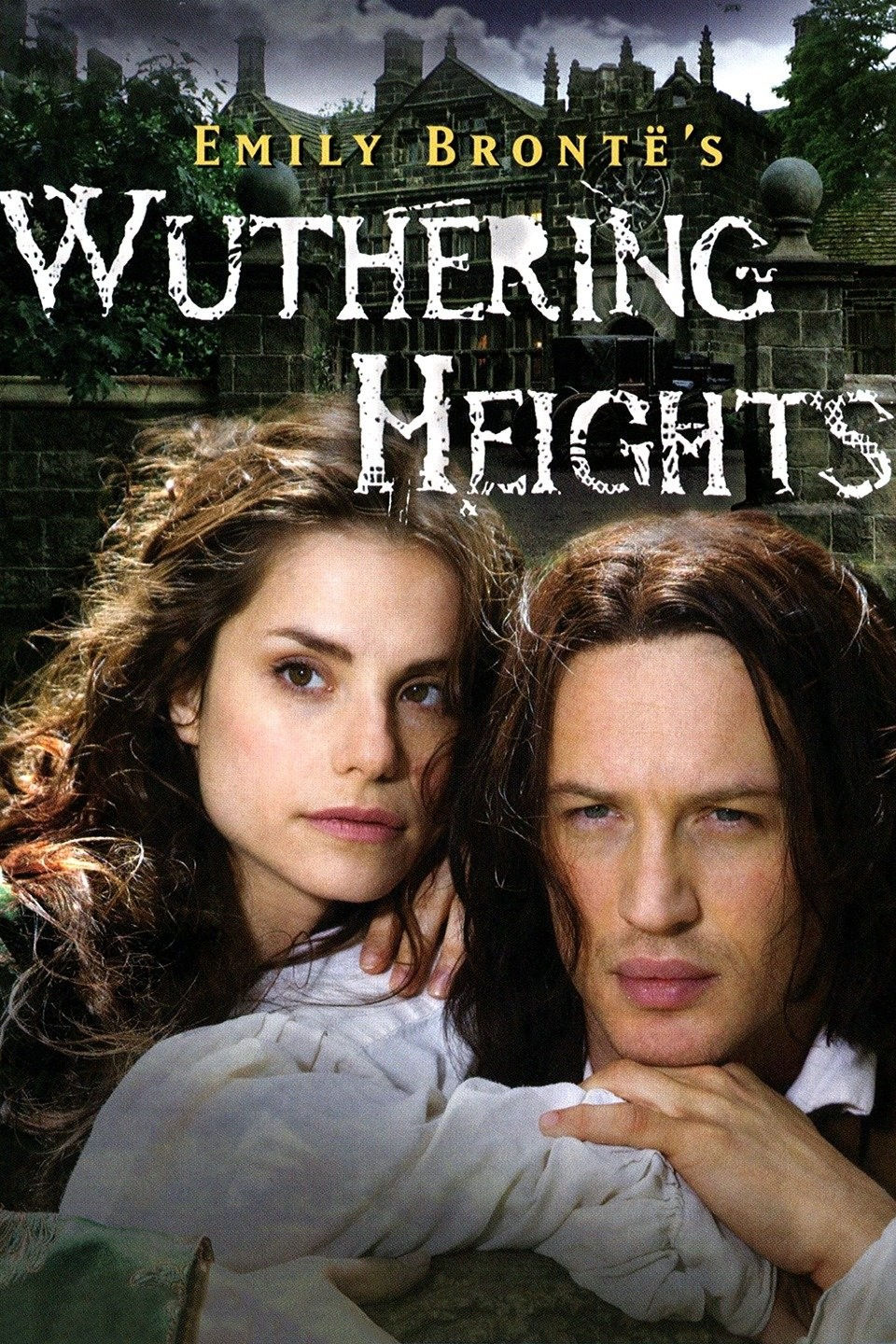
ITV’s two-parter from 2009 is probably best known for being the project that brought Tom Hardy and his wife Charlotte Riley together. Released in the U.S. as part of PBS’ Masterpiece series, this has the stately and polished approach you would expect from that programming. The extended running time allows for this to be the most thorough retelling, and it avoids the reluctance producers have over adapting the second half by using that portion as bookends to the more well-known first half.
2011

The last version produced before this year’s high-profile one was writer-director Andrea Arnold’s from 2011. Dark and gritty reimaginings were en vogue during this time, and as such, this is by far the bleakest and most morose of all. This one gets points for casting actors of color (Solomon Glave and James Howson) as both the young and adult Heathcliff, and because it returns to the habit of covering the novel’s first half again, it spends more time than others focusing on the childhood of the leads.
Whether you’re looking for the Hollywood romance of 1939, the avant-garde nature of 1970, the lush gothic tone of 1992, the sophistication of 2009, or the dark grit of 2011, there’s a Wuthering Heights for everyone. Some stories remain classics for a reason, remaining relevant as each new generation views them through a different lens.
Where: These films are available on Kanopy, the library’s streaming app.
How: You can browse and request DVDs online by logging into your account at keyslibraries.org. To view our collection of streaming movies and TV, go to kanopy.com/keyslibraries and set up an account with your library card. If you don’t have a card, you can visit your local branch or register online to get one.
Questions? keyslibraries.org/contact-us
Recommended by: Kelvin Cedeño, Library Associate, Key Largo Branch


